
Emergency plumbing in London: call-out charges and repairs
A burst pipe, overflowing toilet or hidden leak needs more than a routine appointment. Emergency plumbing in London can address urgent faults such as leaks, blocked or damaged pipework and failures that disrupt essential water use. The right repair depends on the cause and extent of the problem.
It’s understandable to want clear answers before arranging help, especially when water is spreading or you’re unsure what counts as an emergency. This guide explains what can affect call-out and repair costs, which urgent plumbing problems are covered, how service coverage works across London, and how long leak detection may take. You’ll also learn what to do first to limit damage and what to expect as a plumber investigates the fault, so you can make a calm, informed decision about the next step.
Table of Contents
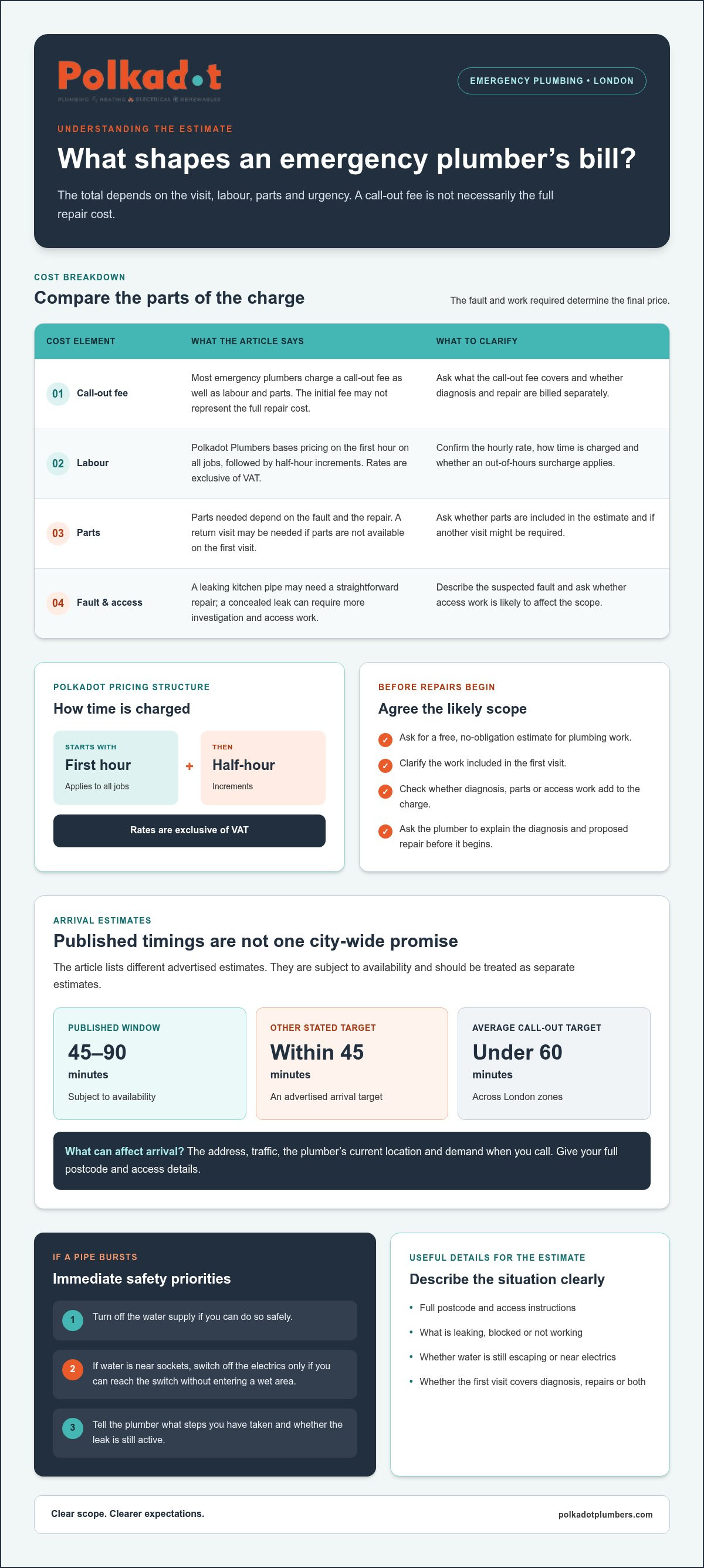
How much is an emergency plumber call-out charge?
The total depends on the visit, labour, parts and urgency. Most emergency plumbers charge a call-out fee as well as labour and parts, so the initial fee may not represent the full repair cost. The price depends on the fault and work required, and is given after a quote request. A leaking kitchen pipe may need a straightforward repair, whilst a concealed leak can involve more investigation and access work.
Before booking, establish what work is needed and how it will be charged. Polkadot Plumbers’ pricing is based on the first hour on all jobs, followed by half-hour increments, with rates exclusive of VAT. Ask for a free, no-obligation estimate for plumbing work and clarify the likely scope, including any parts or access work, before repairs begin.
London response estimates vary. Published service information gives arrival windows of 45-90 minutes, subject to availability; other stated targets include arriving within 45 minutes or an average call-out time under 60 minutes across London zones. Treat these as different advertised estimates, not a single city-wide response time.
How quickly an emergency plumber can reach different parts of London depends on the address, traffic, the plumber’s current location and demand when you call. Give your full postcode, describe the fault and say whether water is still escaping. Polkadot Plumbers provides real-time updates on service progress, helping you stay informed as the visit is arranged.
When a pipe bursts, turn off the water supply if you can do so safely. If water is near sockets, switch off the electrics only if you can reach the switch without entering a wet area. Tell the plumber which steps you’ve taken and whether the leak continues. This practical detail can help prepare for the visit.
What should you check before hiring an emergency plumber in London? Ask about the call-out fee, hourly rate, out-of-hours surcharges, insurance, expected arrival time and whether a return visit might be needed for parts. Request a clear explanation of what the first visit includes, especially if diagnosis and repair may be billed separately.
For gas-related work, check that the engineer is on the Gas Safe Register before they work on gas appliances. Polkadot Plumbers’ team includes Gas Safe-registered engineers and is registered for commercial gas work. For other plumbing work, describe the fault clearly and ask the engineer to explain the proposed repair before it begins.
Once the plumber arrives, ask them to explain the diagnosis, immediate repair and any further work before it begins. For example, stopping an active leak may be the first priority, while replacing damaged pipework could require parts or access work. Knowing the scope helps you understand the charge and what happens next. Polkadot Plumbers provides real-time updates on service progress.
London service coverage
London-wide coverage can include all 32 boroughs, but a listed service area doesn’t mean every address has the same response time. A plumber’s starting location, traffic and current demand affect when they can attend. Give your full postcode, not just a borough name, when describing a leaking pipe or failed installation.
Postcodes help distinguish nearby areas with different routes and access conditions. A call in Camden, for example, may involve different traffic from one in Bromley. If your property is behind a controlled entrance, on a private road or within a large estate, explain how the plumber can reach it. Clear directions make it easier to plan attendance across London.
Ask whether the address falls within the service area and whether the quoted arrival estimate applies to your location. Also describe the fault clearly: an active leak, a blocked toilet and loss of hot water create different practical needs. If water is spreading, say where it is coming from and whether you can safely isolate the water supply.
Does home insurance cover emergency plumbing repairs in the UK? There’s no single answer for every policy. Cover depends on the wording, the cause of the fault, any excess and whether the policy includes home-emergency cover. Buildings or contents cover may treat damage caused by escaping water differently from repairing the pipe itself, so identify both parts of the problem when reviewing your policy.
Weekend and bank holiday attendance depends on the service arrangement and the time of the call. An advertised “24 hour” service describes its stated operating window; it doesn’t itself explain the arrival estimate or what the call-out includes. Before booking, clarify whether a weekend or bank holiday surcharge applies and whether the first visit covers diagnosis, repairs or both.
Give the postcode and access instructions.
Describe what is leaking, blocked or not working.
Say whether the fault is active and if water is near electrics.
Ask about attendance, out-of-hours charges and the first visit’s scope.
If you rent, tell your landlord or letting agent promptly about an urgent plumbing problem. Share the location of the fault, any steps taken to limit damage and whether the water supply has been turned off. For an owner-occupied home, keep relevant policy details and repair notes together; these can help explain the incident and resulting damage.
The right response depends on the actual address and circumstances, not just a broad “London” label. Give Polkadot Plumbers your precise postcode, access details and a clear description of the fault. Real-time service updates help you follow progress as the visit is arranged.
Emergency plumbing repairs and common problems
Emergency repairs focus first on stopping damage and restoring essential services. A burst pipe, leaking joint or boiler fault needs a different diagnosis and repair plan.
Same-day repairs and follow-up work
A same-day repair may involve diagnosing and completing the work during one visit. The fault, access to the pipework and parts required determine what can be finished. For example, tightening an accessible connection differs from replacing pipe hidden behind a tiled wall.
Ask what has been repaired and whether any further work remains. A temporary measure may control a leak, while a permanent repair may need replacement parts or access work. Agree the next step and ask for a clear explanation of any follow-up, including what area needs attention and why.
Burst pipe and water leak repairs
For a burst pipe, turn off the water supply if you can reach the stop tap safely. If water is near sockets, switch off the electricity only when you can do so without entering a wet area. Tell the plumber where the pipe has burst, whether water is still flowing and which rooms are affected.
The repair starts by locating the damaged section and assessing access. An exposed pipe may be reached directly; a leak behind a kitchen unit or wall can require careful access before the damaged fitting or pipe is replaced. Drying and repairing water-damaged surfaces are separate tasks from fixing the plumbing fault.
First-visit repairs and stocked vans
A plumber may carry commonly used fittings and tools, which can help complete a repair during the first visit. The right part depends on the pipe material, size and connection type. A damaged valve, for example, may need a different component from a split length of pipe.
Before work begins, ask the plumber to explain the diagnosis and proposed repair. If a specialist part is needed, clarify what has been made safe and what remains outstanding. This separates immediate leak control from the permanent repair and helps you understand the next step.
Boiler repairs and replacements
A boiler breakdown can mean no heating, no hot water or both. Note any display code and describe when the fault began. These details help distinguish a boiler problem from an issue with radiators, controls or the hot-water system.
Repair or replacement depends on the fault, the condition of the boiler and the parts required. In winter, tenants should promptly tell their landlord or letting agent when a boiler failure removes heating or hot water. Annual boiler servicing can help identify issues, though it cannot prevent every breakdown. Polkadot Plumbers provides boiler servicing and heating repairs.
How long does it take a plumber to find a leak?
Finding a leak may take longer than stopping visible water. In a typical semi-detached house, locating and accessing a suspected bathroom leak can take up to 4 hours. The time depends on where the pipe runs, how easily it can be reached and whether the source is obvious. A damp patch under a ceiling, for example, may sit away from the actual leak.
A plumber usually starts by asking when the problem began and which areas are affected. They may inspect visible pipework, taps, the toilet and nearby fittings, then narrow down the likely source. If the leak is behind tiles or beneath flooring, access work can extend the investigation. Tell the engineer about changes in water pressure, staining or damp smells, and ask what the initial charge covers before work starts.
Loss of heating or hot water can point to a boiler fault, but the problem may also involve controls or the heating system. Note any display message and whether radiators, taps or both are affected. If the boiler has stopped, avoid opening its casing. Polkadot Plumbers’ Gas Safe-registered engineers can diagnose the fault and explain the repair needed before proceeding.
If water stops at every tap, check whether neighbours have the same problem. A wider outage or street-level leak is a reason to contact Thames Water; a fault limited to your home, such as a leaking pipe or failed kitchen tap, generally calls for a plumber. Low pressure at one tap may instead indicate a local blockage or fitting issue. Describe which taps and appliances are affected when reporting it.
Water and electricity need careful separation. If water is near sockets or electrical equipment, don’t touch wet fittings or walk through standing water to reach a switch. Switch off power only from a dry, safe location. For electrical concerns, use a qualified electrician; plumbing work alone won’t make damaged wiring safe. Keep children away from the affected area and tell the attending engineer about nearby electrics.
Flooding needs prompt attention, but water extraction and plumbing repair are different tasks. First stop the source if you can safely isolate the water supply. Move belongings from dry areas, then tell the plumber where water entered and whether it continues. A blocked toilet overflowing into a room, for example, requires attention to the blockage and any spread of wastewater. Ask what the repair will address, what remains and whether further drying work is needed.
Types of plumbing emergencies covered
An urgent plumbing problem is one that threatens property, safety or essential water use. A burst pipe, serious leak or overflowing toilet needs a different response from a dripping tap. Describe what has failed, whether it is worsening and which parts of the home are affected when contacting Polkadot Plumbers.
Burst pipes and active leaks: Water escaping from a split pipe, failed joint or damaged valve can spread into floors, ceilings and neighbouring rooms. Turn off the water supply if you can reach the stop tap safely, then explain where the leak is and whether water continues to flow. If water is near sockets, keep clear and switch off electrics only from a safe, dry position.
Blocked toilets, sinks and drains: A toilet that will not flush, wastewater backing up or a blocked drain affecting several fixtures can make a home difficult to use. Tell the plumber which outlets are blocked. If the kitchen sink is slow but other fixtures drain normally, that points to a different affected area than several blocked fittings. Avoid adding chemical cleaners before describing the problem.
Loss of water or pressure: No water throughout the property differs from low pressure at one tap. Check another tap and ask a neighbour whether they have the same issue. A wider supply problem may need Thames Water, while a fault limited to one fixture may need a plumber. Include the affected rooms when requesting an estimate.
Heating and hot-water failures: A boiler that stops working can remove heating, hot water or both. Note any displayed fault message and tell the engineer whether radiators still heat. If the fault involves gas, use an engineer on the Gas Safe Register. If you smell gas, call the National Gas Emergency Service on 0800 111 999.
Water near electrics or flooding: A leak beside sockets or appliances needs careful isolation before anyone enters the affected area. Don’t touch electrical equipment while standing in water. A plumber can address the plumbing fault, but water extraction and drying are separate work. Explain how far water has spread, such as beneath a bathroom floor or into a downstairs ceiling.
Give a qualified plumber specific symptoms rather than saying only that “the plumbing is broken”. Mention when the issue began, what you have isolated and whether the problem has worsened. Those details help identify the work needed. Before work starts, ask for the proposed repair and an estimate; a diagnosis may reveal that a blocked drain, leaking pipe or failed fitting needs a different solution. Polkadot Plumbers offers free, no-obligation estimates for plumbing work.
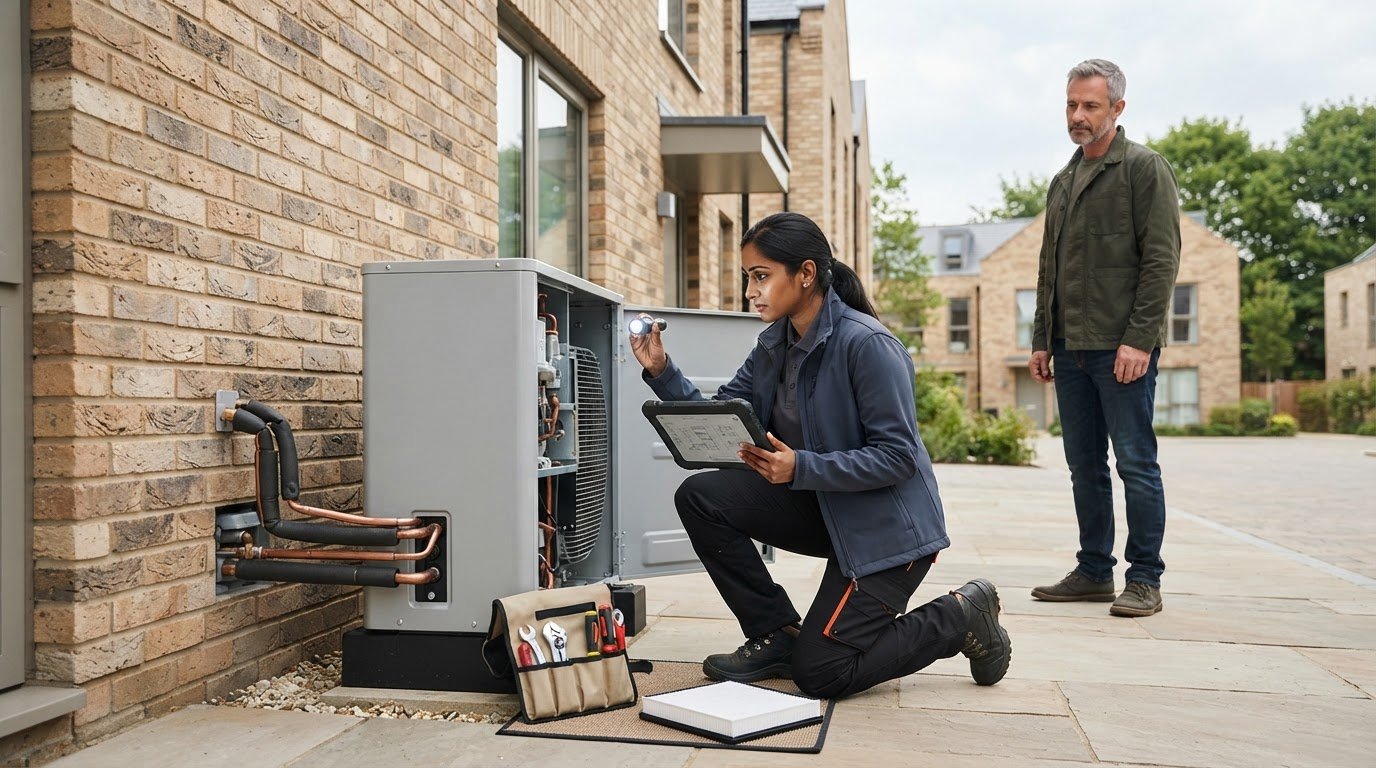
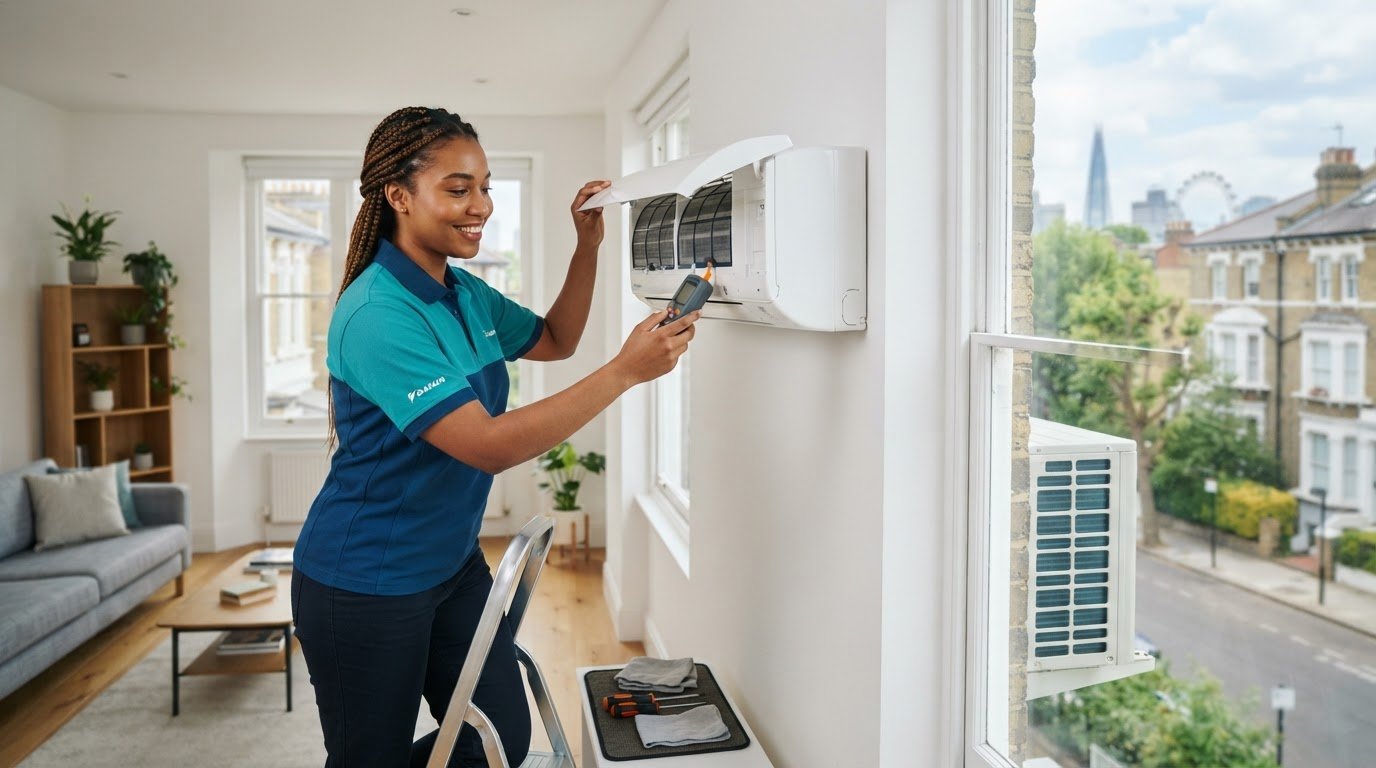
Polkadot: Air Conditioning
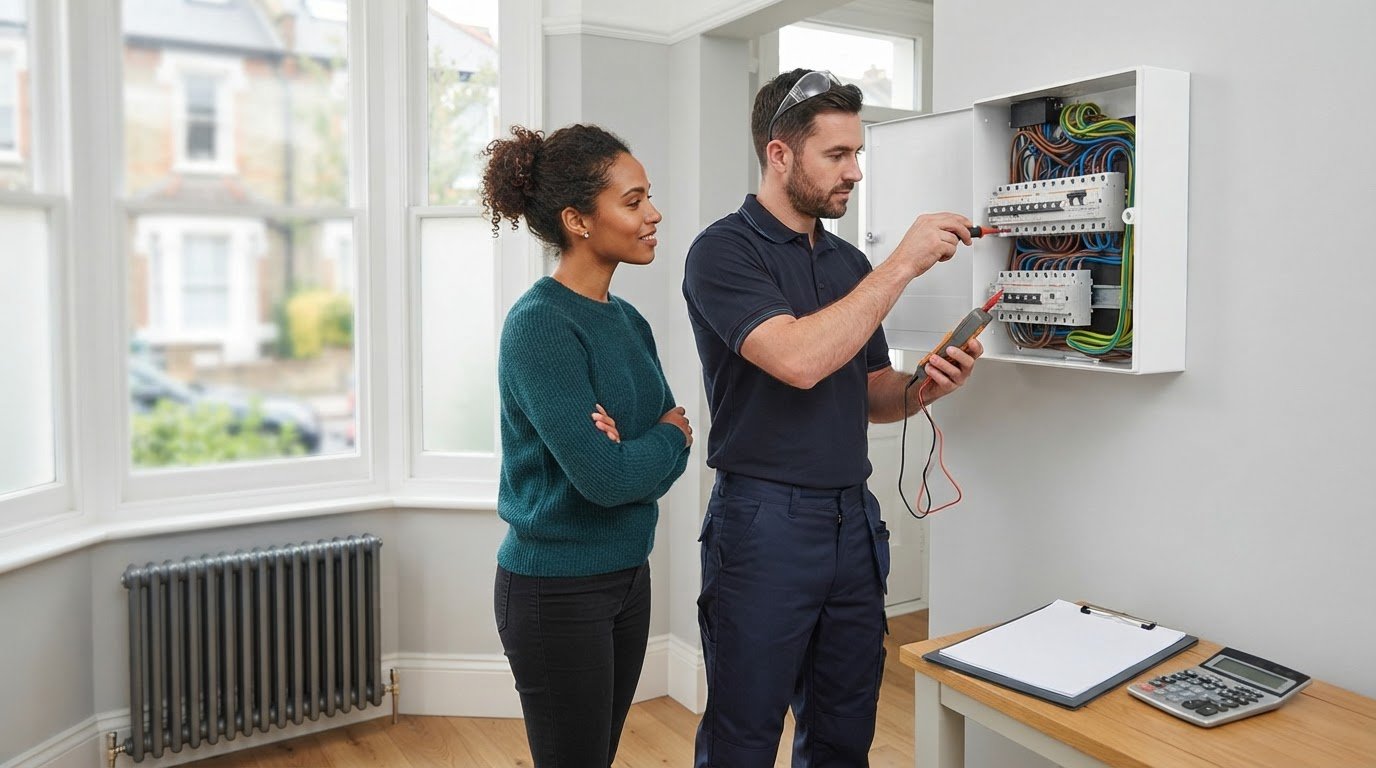
Polkadot Plumbers also provides Air Conditioning, which may help when planning a more comfortable home after an urgent repair. If a plumbing fault has highlighted wider work, consider whether refurbishment, heating or electrical installations also fit your property plans. These are separate from locating a leak or repairing a burst pipe, so identify the immediate fault first and plan any wider improvements separately.
Air Conditioning may suit rooms that become uncomfortable during warmer weather; heating addresses a different indoor comfort need. For refurbishment, consider how planned changes affect the layout and services in your home. Polkadot Plumbers provides these services across London and can discuss the practical next steps for your project.
Contact Polkadot to discuss your home improvement requirements.
Take the next step towards a well-maintained home
Once an urgent fault is under control, consider what would make your home more comfortable and easier to maintain. A repaired leak may prompt wider plans, such as updating a room or reviewing how it’s heated. Keep immediate plumbing work separate from longer-term improvements, and describe each need clearly when arranging emergency plumbing in London.
Polkadot Plumbers offers plumbing help alongside Heating, Air Conditioning and Refurbishment. These services can be relevant when your next project extends beyond fixing an immediate leak, such as planning a room update or addressing home comfort. Choose the work that fits your property and priorities, then discuss the practical next step.
For help with a plumbing issue or to discuss your requirements, contact Polkadot about plumbing help. Taking one clear step can make a stressful home problem feel more manageable.
Frequently Asked Questions
Need Fast Plumbing Help?
For an active leak or failed plumbing, describe the fault and its location clearly when arranging help. Polkadot provides London emergency plumbing and offers free, no-obligation estimates for plumbing and electrical work. Plumbing and electrical services carry a 12-month labour guarantee. Customers also receive real-time service progress updates and automatic reminders for service and renewal dates, helping them keep track of work and planned maintenance.
How can I temporarily stop a pipe leak?
Turn off the water at the main stop tap if you can reach it safely. If the leak comes from an appliance or individual fitting, use its isolation valve where one is fitted. Open a cold tap to release pressure, then place a container beneath the leak and move nearby belongings. Don’t treat tape or a temporary clamp as a permanent repair; keep the area accessible for inspection.
How quickly can an emergency plumber arrive at my property?
Arrival depends on your postcode, traffic, the plumber’s location and demand at the time. Give the full address, including the flat number and access details, and explain whether water is still escaping. A controlled leak differs from water spreading through a ceiling, so describe what’s happening now. If the problem worsens after booking, update the service so the urgency is clear.
What safety procedures do the emergency plumbers take?
A safe repair starts with identifying the water source and any nearby electrical hazards. Keep people away from wet sockets, appliances and standing water, and don’t handle equipment with wet hands. Tell the attending plumber which valves you’ve closed and whether water reached electrics. If the fault involves a gas appliance, use an engineer on the Gas Safe Register; plumbing work doesn’t replace electrical or gas safety checks.
What should I do if I get a water leak?
First, locate the nearest safe way to stop the flow, then protect the affected area. If you rent, notify your landlord or letting agent promptly and share the leak’s location. Take clear photos before moving soaked items or beginning clean-up, as a record can help explain the damage. Note which rooms and fittings are affected, and whether the leak returns when the water is turned back on.
What should I do while I wait for the plumber?
Keep the route to the stop tap and affected pipework clear, and move valuables away from damp areas. Avoid using a toilet, tap or appliance connected to the faulty section, particularly if wastewater is backing up. Keep children and pets out of the work area. Gather useful details, such as when the fault began and any boiler display message, so the plumber can start with a clearer picture.
Which emergency plumbers in London offer 24/7 call-outs?
Some London plumbing services advertise availability 24 hours a day, 7 days a week, 365 days a year. Those terms describe the stated operating hours, not necessarily how quickly someone can attend or what the call-out includes. Before arranging a visit, establish whether the service covers your address and time of day, and clarify any applicable call-out, labour or out-of-hours charges.
What is the average cost of an emergency plumber in London?
The total depends on the call-out arrangement, labour, parts, timing and complexity of the fault. A blocked basin may need different work from a concealed leak requiring access behind a wall. Ask for an estimate that separates the visit from repair work and parts, and clarify whether further work or a return visit changes the total. This gives you a more useful cost picture than a headline average alone.
Comments