
Homebuyer plumbing report
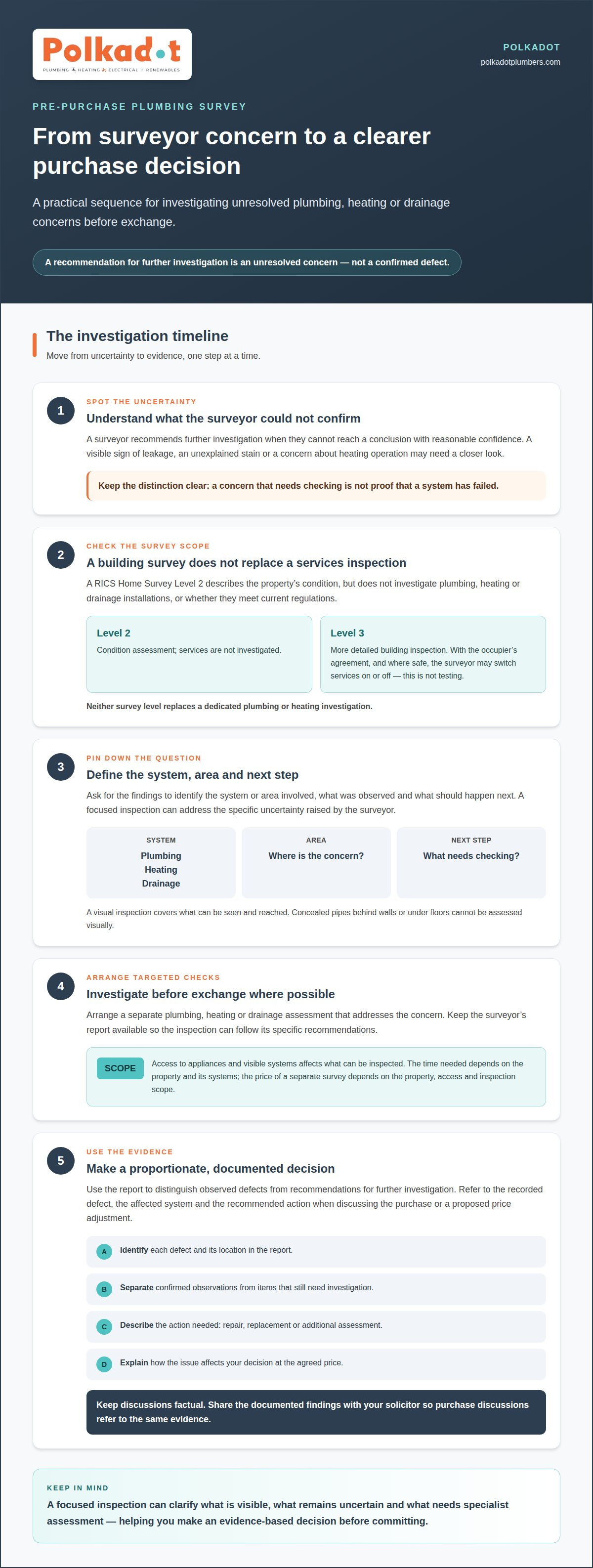
A homebuyer plumbing report is a visual inspection of a property’s accessible plumbing and heating systems before you buy. It can identify visible faults that may be costly or unsafe, and highlight what needs further investigation before you commit. A standard building survey may not establish the condition of a property’s gas, plumbing or electrical systems.
A home can look well cared for while its plumbing or heating still needs attention. When weighing up a purchase, it’s sensible to seek a clearer picture of how these systems operate rather than judging them by appearance alone.
This guide explains what a pre-purchase inspection can cover, how its findings may inform your decision, and when further investigation is useful. It also sets out how a plumbing survey complements a building survey, so you can see what each inspection can tell you.
Table of Contents
Why Do You Need a Pre-Purchase Plumbing Survey?
A pre-purchase visual inspection focuses on the property's plumbing and heating systems. It adds focused information about these systems, which a standard RICS survey does not test.
Visible Pipework and Isolation Valves
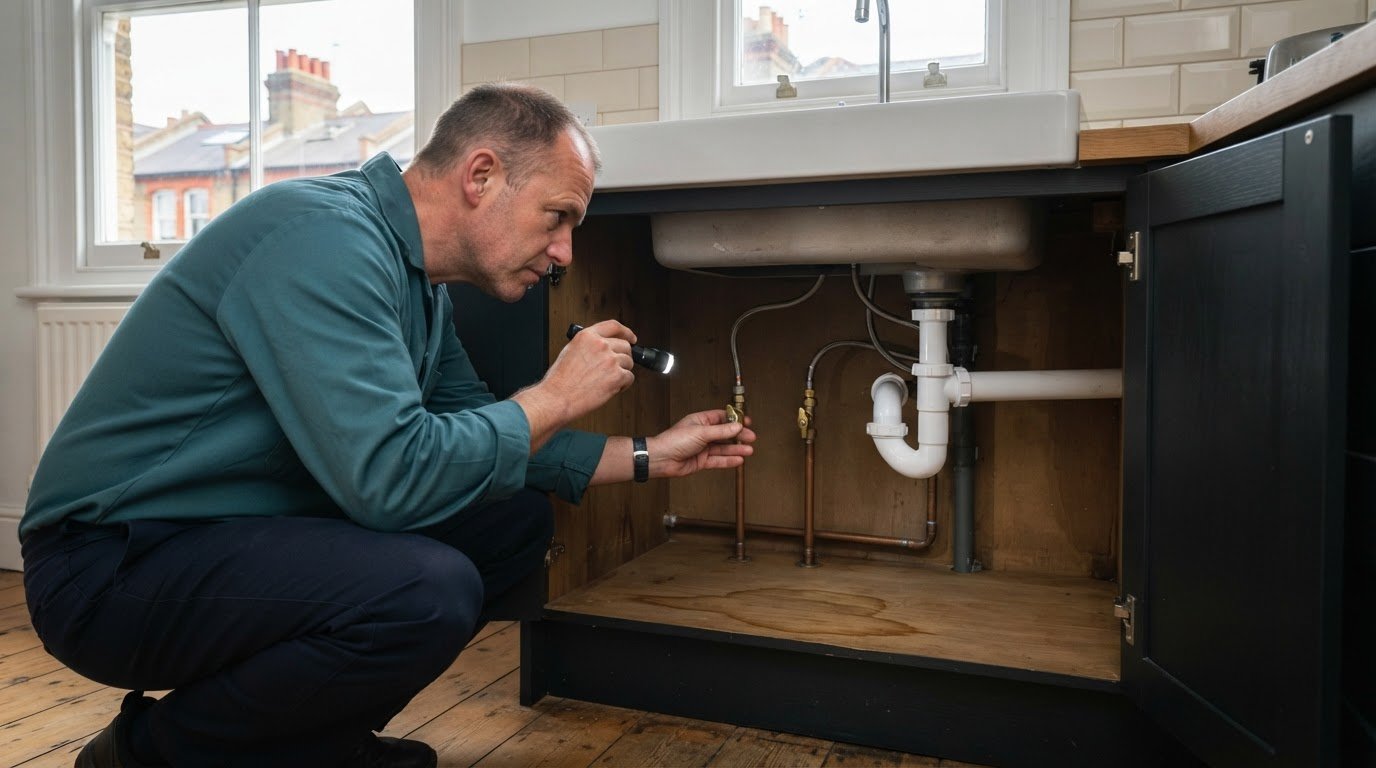
An engineer examines accessible pipework, fittings and isolation valves for visible leaks, corrosion, damage or poor installation. These checks can flag areas that may need repair or closer investigation.
Look at joints beneath sinks, exposed pipes near the boiler and valves serving individual appliances. A stiff, damaged or inaccessible valve can make it harder to isolate water during a leak or repair. The inspection covers only what can be seen and reached; concealed pipes behind walls or under floors cannot be assessed visually.
Inspection Scope and Duration
The inspection may include boiler and heating checks, plumbing observations and checks of gas appliance operation. Where possible, an engineer may assess heat input and operating pressure, with combustion analysis. Access to appliances and visible systems affects what can be inspected, so the time needed depends on the property and its systems.
Arrange the inspection before exchange where possible, so you can use the findings in your decision. Buyers of new-build and leasehold homes can benefit too: new installations still warrant assessment, while leasehold properties may have services both within the flat and in shared areas. An existing gas safety certificate is useful documentation, but a pre-purchase inspection assesses accessible equipment at the time of the visit.
Plumbing Issues in Older Properties
In an older UK home, look for leaking joints, worn fittings, poor water flow, signs of previous repairs and uneven heating. These observations may point to defects that need further investigation, but they do not establish the condition of concealed pipework.
Properties built before 1970 may have lead pipework connecting them to the mains, according to the UK Drinking Water Inspectorate. An inspection can identify visible sections and flag where pipe material needs closer assessment. It can also assess the boiler and appliances as part of a wider review of heating and plumbing. A gas appliance inspection may include operating pressure and, where possible, combustion analysis.
Further investigations recommended by surveyors
A surveyor recommends further investigation when they cannot reach a conclusion with reasonable confidence. This flags an unresolved concern, not a confirmed defect. Before exchange, arrange checks that address the specific uncertainty, such as a separate plumbing, heating or drainage assessment.
A RICS Home Survey Level 2 describes the property’s condition but does not investigate plumbing, heating or drainage installations, or whether they meet current regulations. A visible sign of leakage, an unexplained stain or concerns about heating operation can therefore require a more detailed inspection. The findings can help distinguish a repair concern from a system that needs specialist assessment.
Survey levels differ in purpose and depth. A Level 2 survey provides a condition assessment, while a RICS Home Survey Level 3 offers a more detailed inspection of the building. With the occupier’s agreement, and where safe, a Level 3 surveyor may switch services on or off; this does not amount to testing them. Neither approach replaces a dedicated plumbing or heating investigation.
A separate survey can investigate issues a building survey leaves unresolved, helping you understand the work needed before committing to the purchase. Ask for the findings to specify the system or area involved, what was observed and the recommended next step. This gives you clearer evidence to discuss with your solicitor or use in purchase negotiations.
The price of a separate plumbing survey depends on the property, access and inspection scope, and is provided after a quote request. If a surveyor has raised concerns about water services, a pre-purchase plumbing survey can focus on those systems. Keep the surveyor’s report available so the inspection can address its specific recommendations.
Using findings to negotiate the purchase price
A plumbing report can turn a general concern into a specific point for negotiation. Refer to the recorded defect, affected system and recommended action when explaining a proposed price adjustment. For example, a documented leak beneath a bathroom may support a different discussion from an unexplained mark that still needs investigation.
Separate urgent safety concerns from routine maintenance. A boiler fault, damaged pipework or drainage problem may affect the property’s usability and the work it needs. Ask the report to distinguish observed defects from areas that could not be assessed. This keeps negotiations proportionate to the evidence, rather than treating every observation as a confirmed failure.
For a concern about a gas appliance, use the inspection findings to identify the appliance and recorded issue. A Gas Safe engineer’s assessment can clarify whether it concerns operation, repair or further checks. Keep this evidence with the survey so your solicitor can refer to the same documented point during purchase discussions.
Before making an offer or requesting a change, organise the evidence:
Identify each defect and its location in the report.
Separate confirmed observations from recommendations for further investigation.
Describe the action needed, such as repair, replacement or additional assessment.
Explain how the issue affects your decision to proceed at the agreed price.
Repair costs depend on the system, access, extent of damage and whether repair or replacement is needed; a price is provided after a quote request. These factors also help you judge whether a proposed adjustment reflects the actual work, rather than an assumed worst-case outcome.
A seller may agree to a revised price, arrange work before completion or decline the request. Keep communication factual: refer to the relevant report finding, explain your proposed resolution and retain written responses. If the survey recommends further investigation, clarify that before relying on an assumed repair cost in your negotiation.
What does a homebuyer plumbing inspection cover?
A dedicated inspection looks beyond the general condition noted in a building survey. It focuses on plumbing and heating components, recording visible defects and the checks completed.
The engineer assesses accessible pipework, joints, taps, fittings and isolation valves, looking for leaks, corrosion, damage and signs of previous repairs. Water pressure and flow at taps can also help identify issues affecting everyday use. Concealed pipes behind walls or beneath floors are not visible during a visual inspection.
Heating checks may cover the boiler, controls, radiators and accessible pipe connections. Where possible, the engineer checks whether the heating operates and assesses gas appliances. Checks may include heat input, operating pressure and combustion analysis, depending on access and whether the appliance can be operated safely. The report should state what was inspected and any limits to those checks.
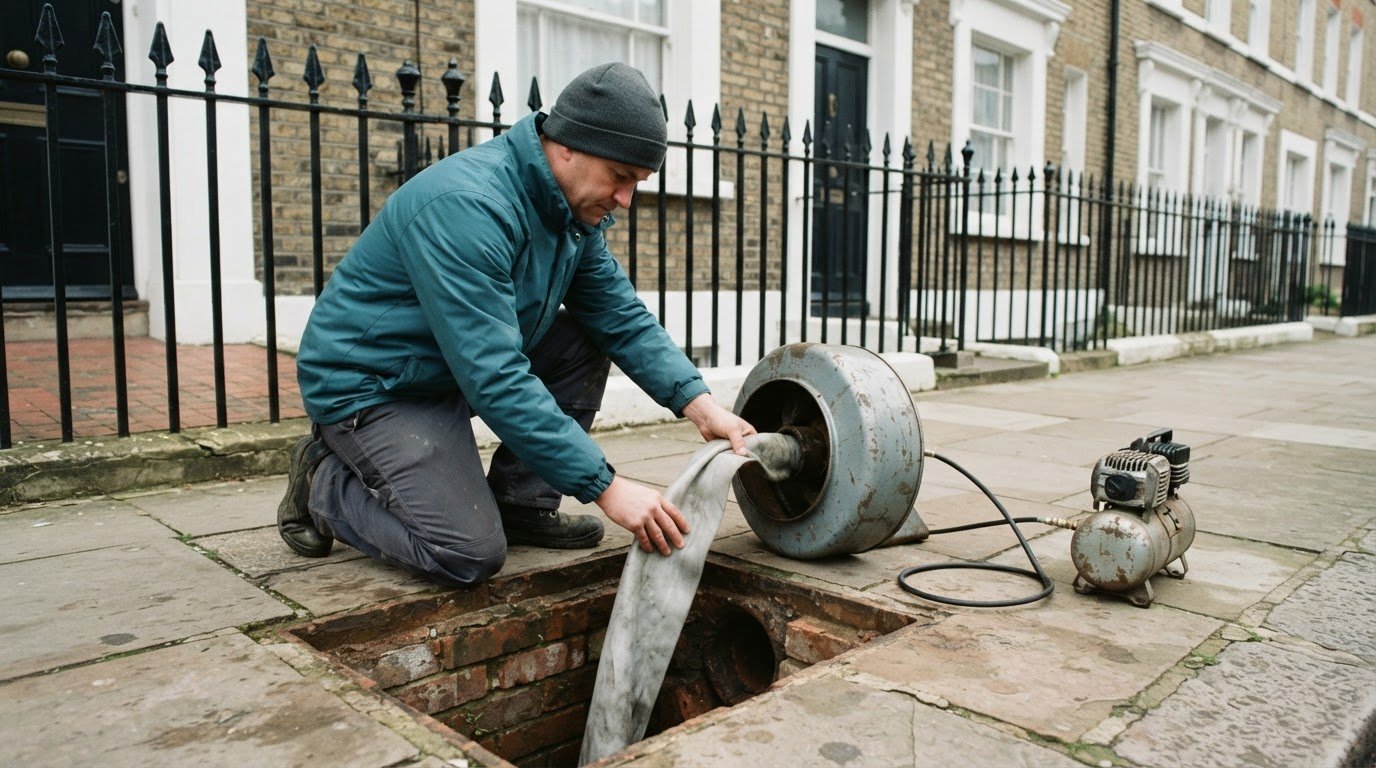
Drainage observations may flag visible leaks or other signs that warrant closer investigation. A visual plumbing inspection does not establish the condition of every underground drain or concealed section. If the findings point to an issue beyond its scope, they can help identify what needs a separate investigation.
Electrical testing is distinct from a plumbing inspection. An Electrical Installation Condition Report, or EICR, tests the electrical circuits in the installation against the BS 7671 18th edition standard. A building survey or plumbing report shouldn’t be treated as a substitute for that testing.
Use the report to see which systems were assessed, what the engineer observed and which findings need follow-up. This helps you avoid treating an unchecked item as a passed test, or an observation as a confirmed fault.
For a focused assessment before purchase, book a plumbing survey to examine the property’s accessible plumbing and heating systems.
Polkadot
Polkadot can help when a property inspection points to heating or electrical work beyond its plumbing findings. If the report highlights concerns with the heating system or electrical installation, Polkadot offers Heating and Electrical Installations to address those needs. Refurbishment may also be relevant when planned improvements extend beyond individual systems.
Use the report to distinguish observed issues from those needing separate investigation. This helps you plan work after purchase without assuming a plumbing inspection assessed every part of the property.
Contact Polkadot to discuss your property’s heating, electrical installation or refurbishment needs.
Take the next step with confidence
Use a homebuyer plumbing report to turn unanswered questions into a clear plan before your purchase moves forward. Decide which findings need action, which call for specialist investigation and which can be included in future maintenance. Keeping these priorities clear can help you make a considered decision instead of letting uncertainty dictate your next move.
For a focused assessment of a property’s plumbing, Polkadot offers a Plumbing Survey to help you understand the next step. Share the concerns raised during your purchase process and discuss what you need from the inspection.
Contact Polkadot about a plumbing survey to discuss your property and move forward with a clearer plan. A well-informed purchase decision starts with knowing what needs attention.
Frequently Asked Questions
What is a homebuyer plumbing report in the UK?
In the UK, a homebuyer plumbing report records the condition and inspection findings for a property’s plumbing and related heating systems. It gives a buyer a practical record to consider alongside the building survey and conveyancing information. For example, it can help distinguish a visible defect from a question that needs another specialist assessment before the purchase proceeds.
Is a plumbing report included in a RICS Home Survey Level 2?
No. A RICS Home Survey Level 2 does not investigate plumbing, heating or drainage installations, or assess whether they meet current regulations. It may identify visible concerns and recommend further investigation, but that recommendation is not a plumbing test. If the report mentions a damp patch near a bathroom, a separate inspection can focus on the relevant water services.
How much does a pre-purchase plumbing inspection cost in the UK?
The price depends on the property, access to its systems and the inspection scope, and is given after a quote request. A straightforward review of accessible plumbing differs from work requiring broader checks of heating or gas appliances. Before arranging an inspection, describe the property and any concerns already recorded, such as a leak, boiler fault or surveyor recommendation.
Who can carry out a homebuyer plumbing inspection, and what qualifications should they have?
Choose an engineer with relevant plumbing and heating expertise for the systems being assessed. Gas appliance work requires a Gas Safe engineer; plumbing observations alone do not establish that gas equipment is safe. If the property has electrical concerns, arrange an appropriately qualified electrical inspection separately. Match the professional’s role to the system rather than assuming one inspection covers every trade.
How do you arrange a plumbing inspection when buying a house?
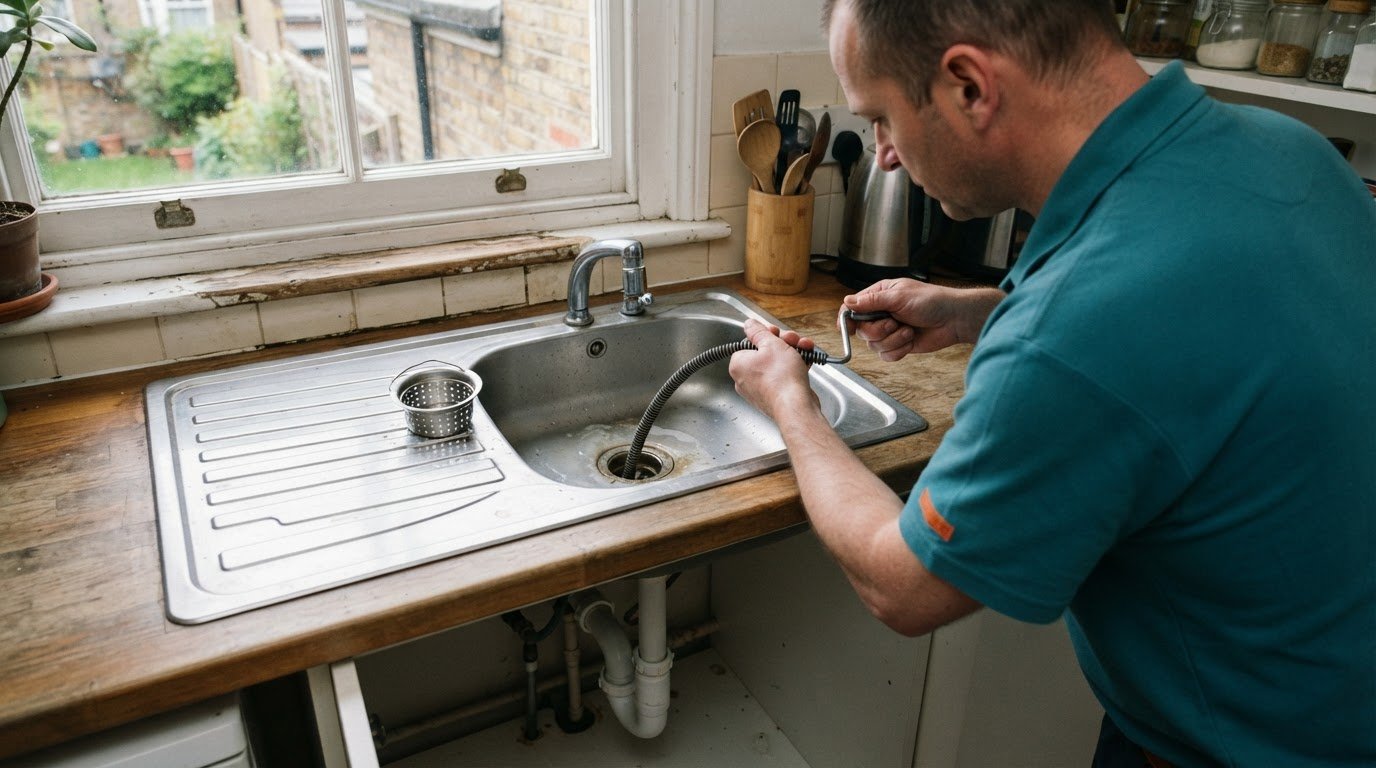
A buyer, estate agent or property landlord can arrange the inspection. Book it before exchange where possible, then provide the property address, access arrangements and any concerns noted by the surveyor. For example, flag a boiler warning or a leak beneath a sink. This helps the engineer focus the visit and gives you time to use the findings in your purchase decision.
Does a homebuyer plumbing report check drains, boilers and water pressure?
Depending on the inspection scope, it can assess accessible plumbing and heating, including boiler operation and water flow at taps. Visible drainage issues may be noted, but a standard visual inspection does not establish the condition of underground drains. If the findings flag a drain concern, a dedicated drainage investigation may be needed to assess the pipework internally.
Comments