
Reliable Plumbing Services in London: Rates and Fees
Are you insured, and does the cover match the work you need? Knowing how to find a reliable plumber in London starts with checking relevant qualifications and experience before agreeing to a job. A clear explanation of the work and its cost matters too.
It’s sensible to want reassurance before letting someone work in your home. This guide explains what to look for, from reviewing feedback and discussing scheduling to understanding hourly rates and charges.
You’ll also learn why gas work requires particular care, what to clarify before work begins and how to assess whether a plumber’s experience suits your repair or installation. These checks help you make an informed decision and understand what to expect.
Table of Contents
Availability and pricing across the week
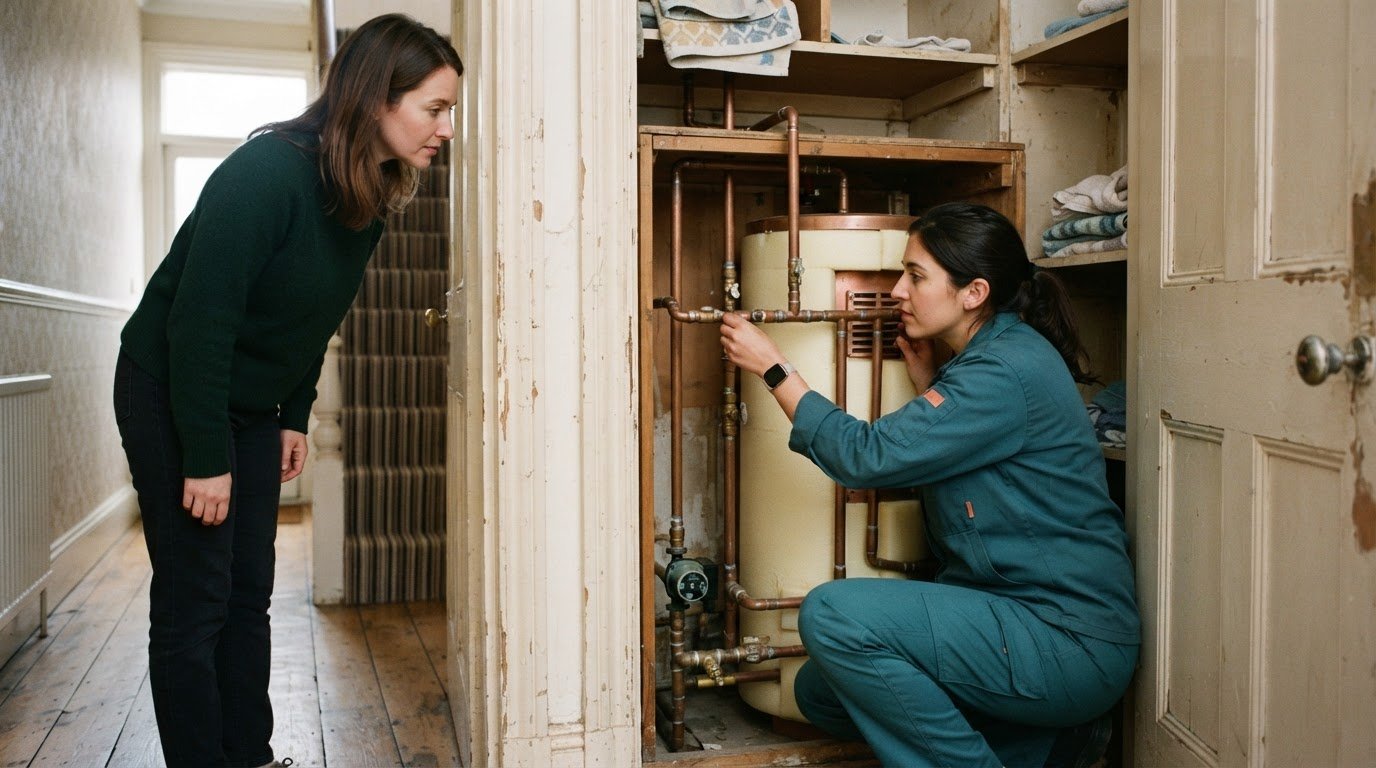
Availability in London depends on the fault, the time you call and the plumber’s location. Some London plumbers offer 24/7 emergency services, while others work by appointment. Treat urgent attendance and a routine booking as different requests. For example, a leaking pipe may need prompt attention, while a planned tap replacement can be arranged for a suitable appointment. A useful starting point for how to find a reliable plumber in London is matching the booking type to the problem.
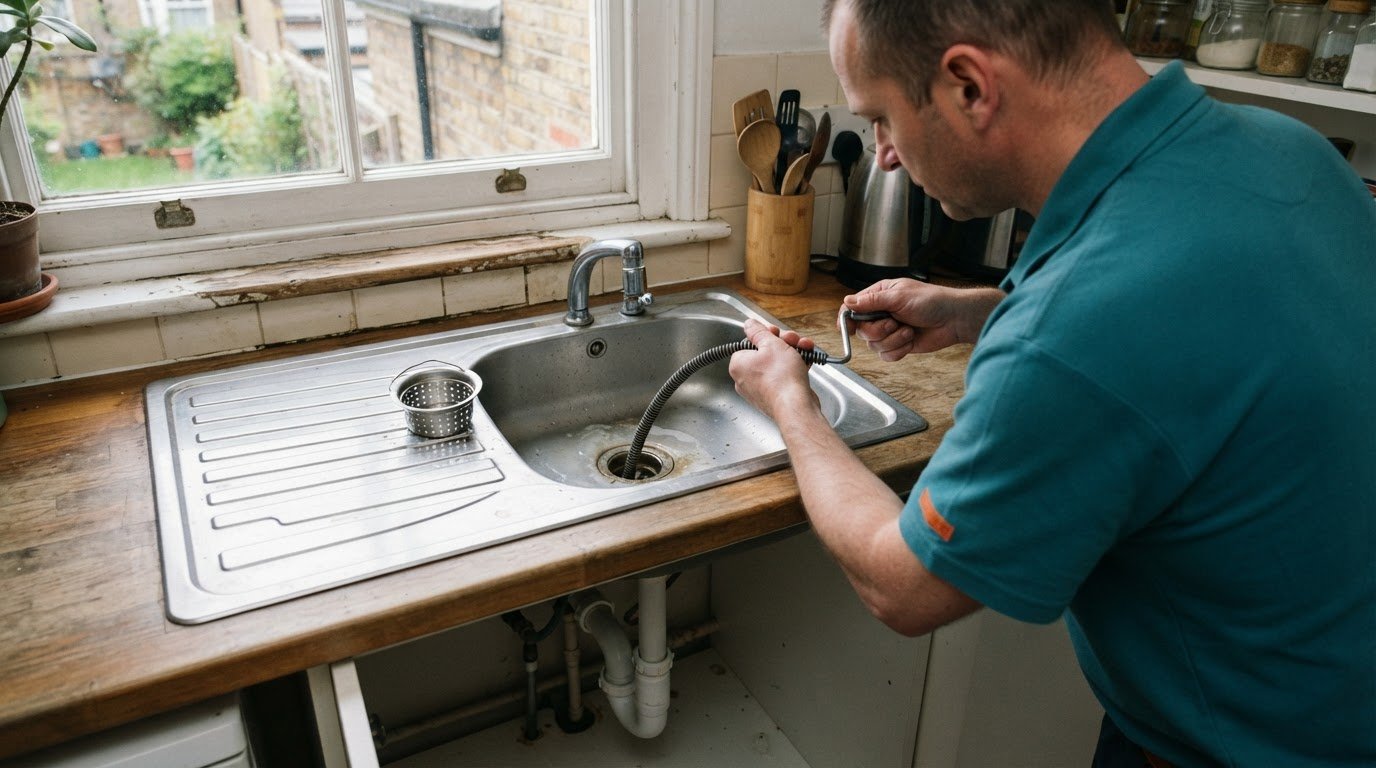
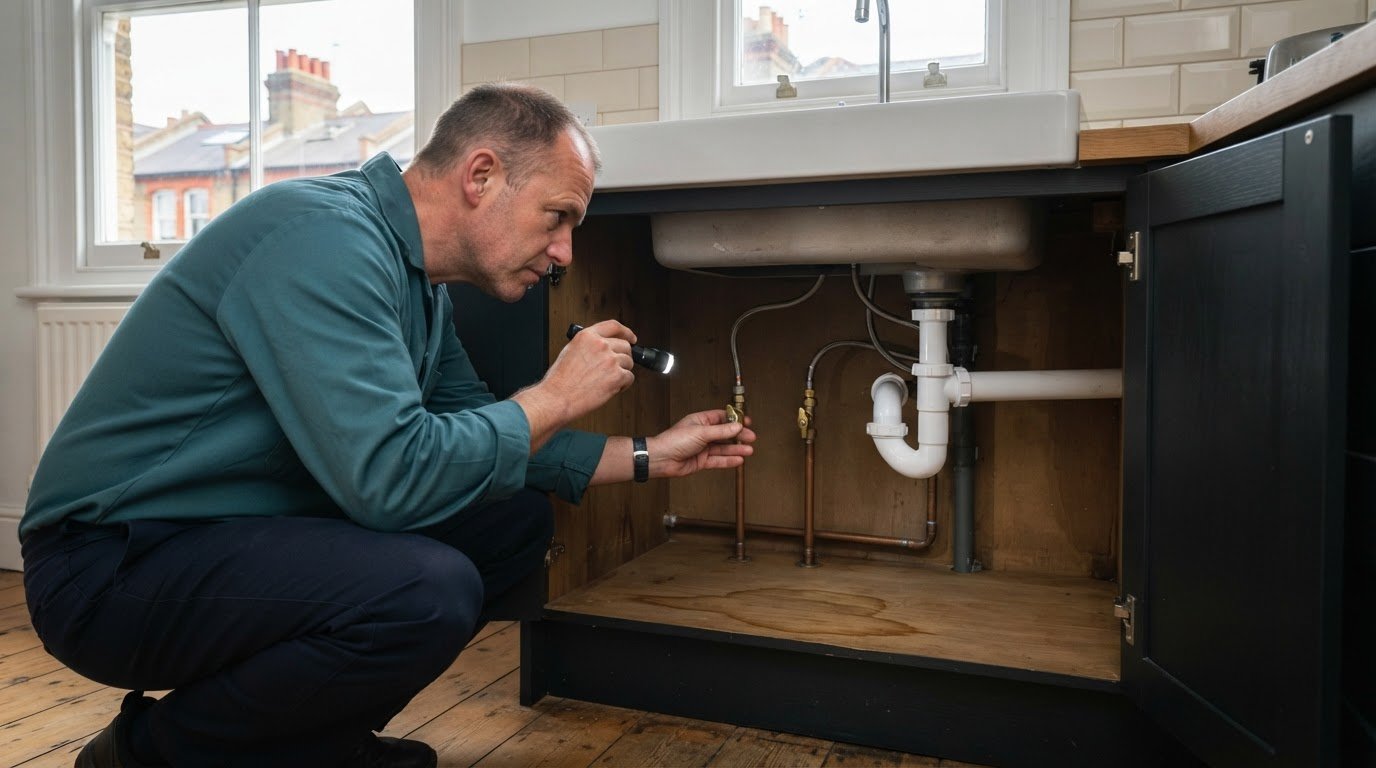
When requesting a visit, explain what has happened and where. Say whether water is still leaking, which fixture is affected and whether the pipework is accessible. These details help the plumber assess the job and discuss timing. Be clear about whether you need urgent attendance or can wait for a scheduled visit. For example, explain whether the leak is contained or affecting another room.
Ask how the charge is calculated and what it covers. The price depends on the case and is given after a quote request; relevant factors include the fault, access, parts and timing. Clarify whether the quote is hourly or for the complete job, and how additional work would be priced. This gives you a clearer basis for understanding the expected bill before work starts.
Describe the fault and its urgency when arranging a visit.
Confirm the expected arrival window and whether the booking is urgent or scheduled.
Ask what the quote covers, including parts and any additional work.
Location also affects which appointments are practical. London plumbers commonly cover areas from central London to outer areas in zones 1 to 6. Give your postcode when enquiring, then establish whether the proposed arrival window applies to your address. For a routine repair, provide suitable appointment times. For an active leak, explain its immediate impact so the urgency is understood.
Keep the agreed timing and pricing details in a text or email. If the plumber identifies a different fault on arrival, ask for an updated explanation and price before authorising extra work. This makes it easier to understand a change in scope and decide whether to proceed. When considering how to find a reliable plumber in London, describe the fault, its location and your timing needs clearly from the outset.
Checking qualifications, insurance and relevant experience
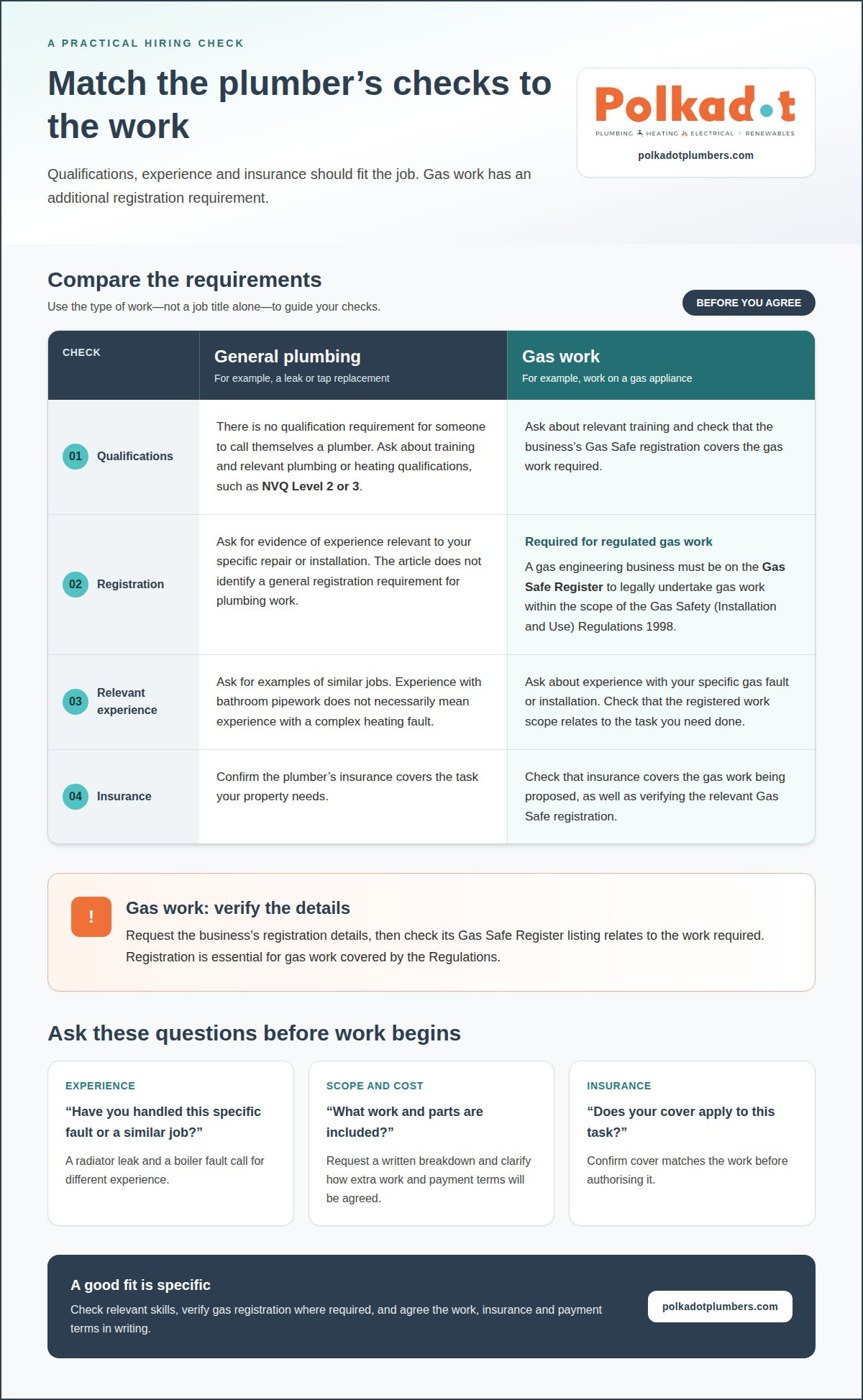
Match the plumber’s skills and insurance to the work your London property needs. For gas work, registration on the Gas Safe Register is essential.
Assessing Qualifications and Experience
There’s no qualification requirement for someone to call themselves a plumber, so ask about training and experience. Look for relevant plumbing and heating qualifications, such as NVQ Level 2 or 3, and examples of similar jobs. A plumber experienced with bathroom pipework may not have the right background for a complex heating fault. Ask for details of comparable work and check that their insurance covers the task.
Under the Gas Safety (Installation and Use) Regulations 1998, a gas engineering business must be on the Gas Safe Register to legally undertake gas work within the scope of the Regulations, according to UK Government. Ask for the business’s registration details and check its listing on the Gas Safe Register relates to the gas work required.
Questions to Ask Before Hiring
Before agreeing to a job, ask what experience the plumber has with your specific fault, what work they propose and whether their insurance covers it. Request a written breakdown of the work, parts and payment terms, plus an explanation of how extra work would be agreed. For example, a radiator leak and a boiler fault call for different experience.
Hiring someone without suitable training can lead to poor workmanship or an unresolved fault. Paying the full amount upfront can leave you exposed if work remains incomplete; agree payment terms and scope in writing before work begins.
For a plumbing issue requiring attention, London Emergency Plumbing is a relevant next step.
Finding plumbers through recommendations and review sites
Ask neighbours, colleagues or a local residents’ group about plumbers they’ve hired for similar work. A recommendation is most useful when it includes a specific example, such as repairing a leaking tap or replacing a toilet. Ask what the plumber did, whether the work matched the agreed scope and how changes were handled. One person’s experience is useful context, not a guarantee that another job will go the same way.
Read recent reviews across more than one review site, focusing on the details rather than the star rating alone. Look for repeated comments about punctuality, clear explanations, tidy work and invoices matching the agreed job. A review describing a fixed leak gives more relevant insight for a leak repair than a general compliment. Notice whether the plumber responds calmly to criticism and explains what happened.
One set of London plumber listings has an average rating of 5.0 out of 5, based on 40,528 reviews. Treat a broad average as background, not proof that a particular plumber suits your job. Check how many reviews relate to the same type of work, and whether comments describe actual outcomes. A high score with few relevant details may tell you less than several specific accounts.
Compare reviews about work similar to your repair or installation.
Look for consistent descriptions of communication and completed work.
Read negative reviews for specifics, including how concerns were addressed.
If you’re dissatisfied with the work or have a question about the bill, keep the estimate, invoice and relevant messages together. Take dated photographs of the issue, describe the problem in writing and ask for a clear explanation or proposed remedy. Compare the invoice with the agreed work, and request an itemised breakdown if any charges are unclear.
Patterns in reviews can help you decide what to discuss before booking. If several customers mention unexpected additions, ask how changes to the work and cost will be agreed. Give less weight to a recommendation about a different service than to feedback on the exact job you need. Specific examples make reviews more useful.
Hourly rates and call-out fees
A written plumbing quote should identify the work, labour, parts, call-out fee and payment terms. Compare quotes by checking that each covers the same fault and scope, not simply by choosing the lowest total.
London plumbers may charge by the hour or quote for the whole job. Ask when hourly billing starts, how time is recorded and whether travel or a call-out is charged separately. For example, a fee for attending to diagnose a fault may be separate from repair costs. Confirm whether it is included in the final bill or added on top.
Ask for the quote in writing before work begins. It should explain the proposed repair, labour, parts, any call-out fee, payment schedule and how additional work will be approved. Check whether VAT is included, and whether the price is fixed or may change if the plumber finds another fault.
Compare the same repair and parts across each quote.
Check whether labour is hourly or priced for the complete job.
Clarify call-out charges, payment terms and how extra work is agreed.
A lower estimate may cover less work, so compare the scope carefully. If one estimate includes replacing a damaged pipe and another only covers diagnosis, they aren’t equivalent. Ask for the proposed work to be clarified before deciding. For hourly work, confirm how you’ll be updated if the repair takes longer than expected.
Keep the written quote, invoice and messages together. If the final bill differs, compare it with the agreed scope and ask for an itemised explanation of any change. A clear record helps resolve misunderstandings about labour time, parts or an additional repair. For a larger or less obvious plumbing issue, a survey can help identify the work involved before you compare quotes.
Polkadot: London Emergency Plumbing
Polkadot provides emergency plumbing in London for urgent problems that need professional attention, such as an active leak or sudden plumbing fault. Explain what has happened, where the problem is and how it is affecting your property. Response times depend on operating hours, engineer schedules and travel.
Before work begins, make sure you understand the proposed repair and what it involves. If the problem isn’t urgent, Polkadot’s Plumbing Survey may help clarify the work required. Polkadot also provides Heating, Refurbishment and Air Conditioning services for related property needs.
For a plumbing issue in London, contact Polkadot to discuss the problem and next step.
Take the next step with confidence
Choosing a plumber is also about making the repair process clear from the outset. Describe the problem, explain what you need fixed and share practical constraints, such as access to the affected area. A focused conversation helps establish whether the next step is an urgent repair or a planned visit.
Knowing how to find a reliable plumber in London means choosing with confidence, not simply selecting the first available option. Keep your priorities clear and understand the proposed work before it begins.
For help with a plumbing problem, contact Polkadot about your plumbing. You can also discuss how its Heating, Refurbishment or Air Conditioning services may suit other property needs.
A clear first conversation can help turn an unresolved fault into a practical plan. Contact Polkadot when you’re ready to discuss the next step.
Frequently Asked Questions
Are you insured?
Before agreeing to work, ask what insurance cover applies to the job and any relevant exclusions. For example, investigating a hidden leak may involve different work from replacing a visible tap. Keep the details with your estimate so the proposed work and insurance discussion are recorded together.
Do you charge a call out fee?
All rates are exclusive of VAT. The first hour charged on all jobs, then half-hour increments. Review the estimate to understand how this charging structure applies to the visit and work.
How do I book a reliable local plumber?
Contact Polkadot with the fault, your London postcode and whether the problem is ongoing. For example, explain if a leak is still active or a fixture has stopped working. Share access details that could affect the visit, such as a locked communal entrance. This gives the team useful context to discuss the plumbing work and next steps.
How can I check whether a plumber in London is qualified and insured?
Ask for the plumber’s relevant qualification details and insurance information, then match them to the work planned. For gas work, check that the business appears on the Gas Safe Register and that its registered identity corresponds with the business you’re hiring. A plumber handling a boiler issue needs relevant gas credentials, while a tap repair calls for different job experience.
How do I verify a London plumber’s reviews, references and trading history?
Read reviews for specific accounts of similar jobs, not just star ratings. Look for details about communication, completed work and how problems were handled. Ask for a reference relating to comparable work, then check that the business name is consistent across its estimate, invoice and public business records. Repeated, detailed feedback is more useful than a single glowing comment.
Where can I find reputable plumbers in London, such as trade association directories?
Trade association directories can help you identify plumbers to consider, while the Gas Safe Register is relevant for businesses carrying out regulated gas work. Treat a directory entry as a starting point, rather than proof that someone suits your particular repair. Compare the listed business details with its quote, then assess relevant experience and customer feedback before deciding.
Comments